







Translational Brain Tumor Research
Brain tumors are the most common solid tumors in children and adolescents. They are often challenging to cure and remain the main cause of cancer-related death and morbidity in young patients.
After surgery, treatment often consists of combinations of chemotherapy and/or radiotherapy. Cytotoxic therapies can have long-lasting side effects due to their impact on the developing child and central nervous system. Moreover, these treatments are not always successful at controlling tumor growth. Even after initial tumor shrinkage, some tumors become resistant to treatment and are incurable at relapse.
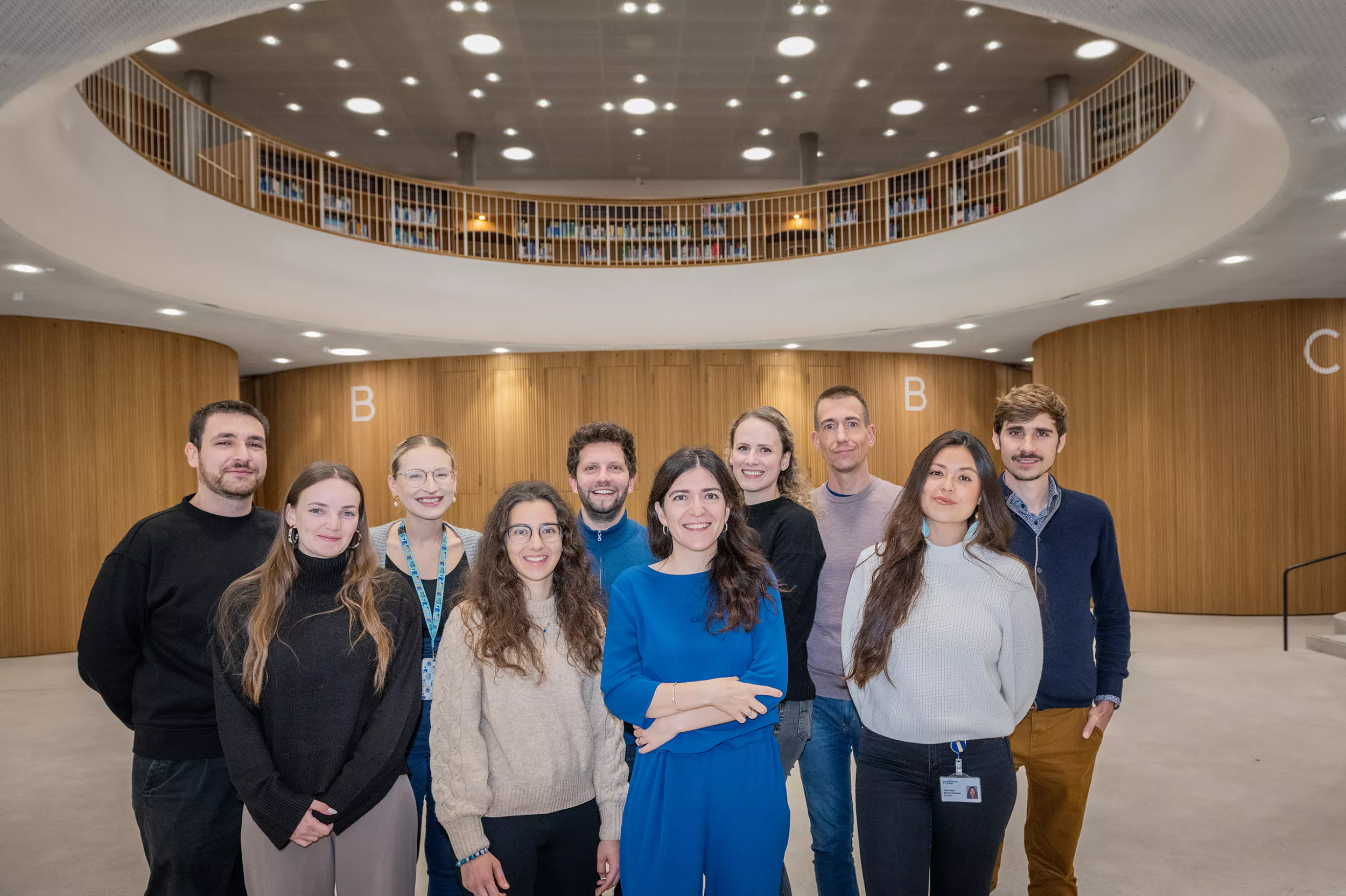
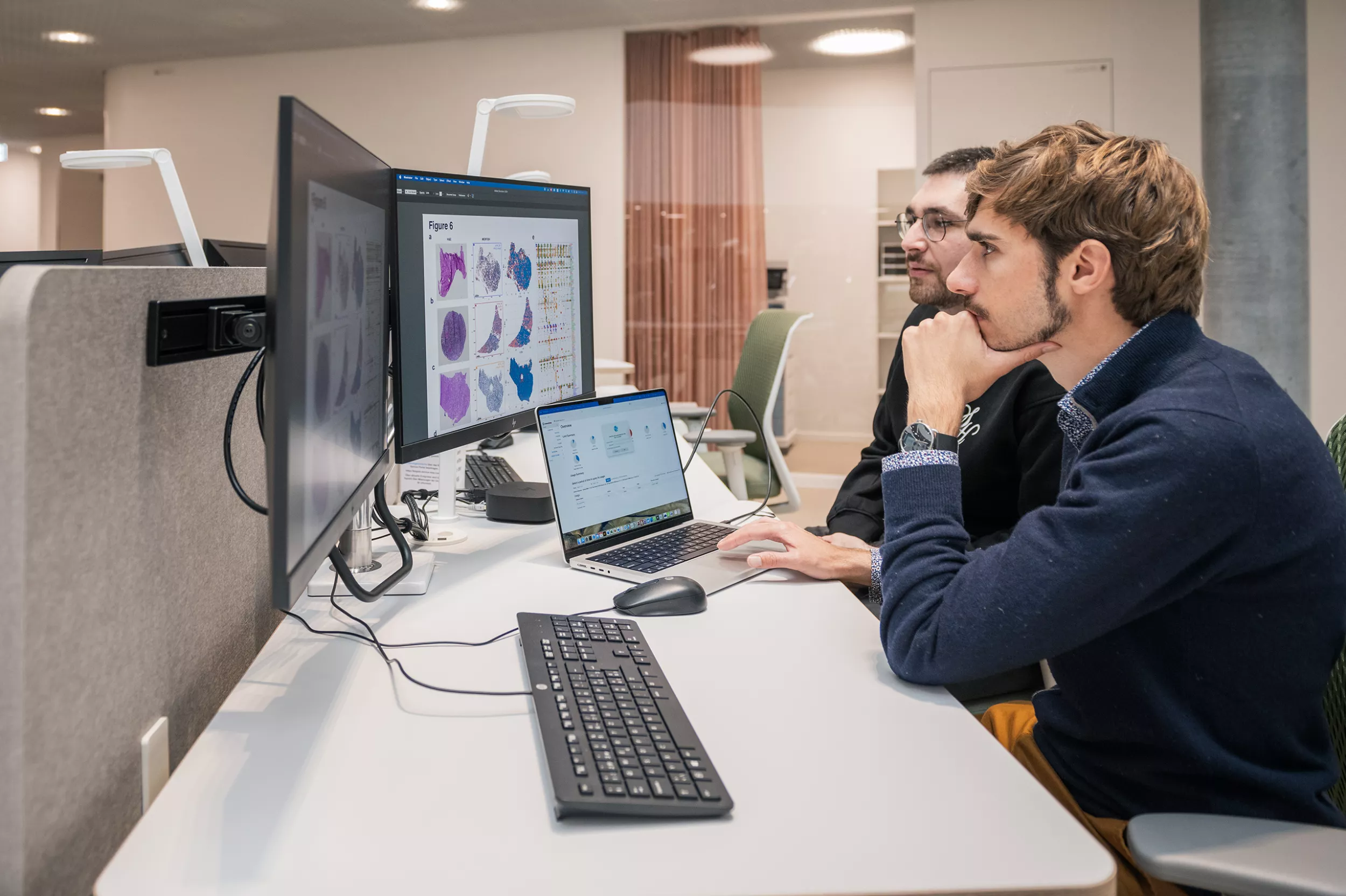
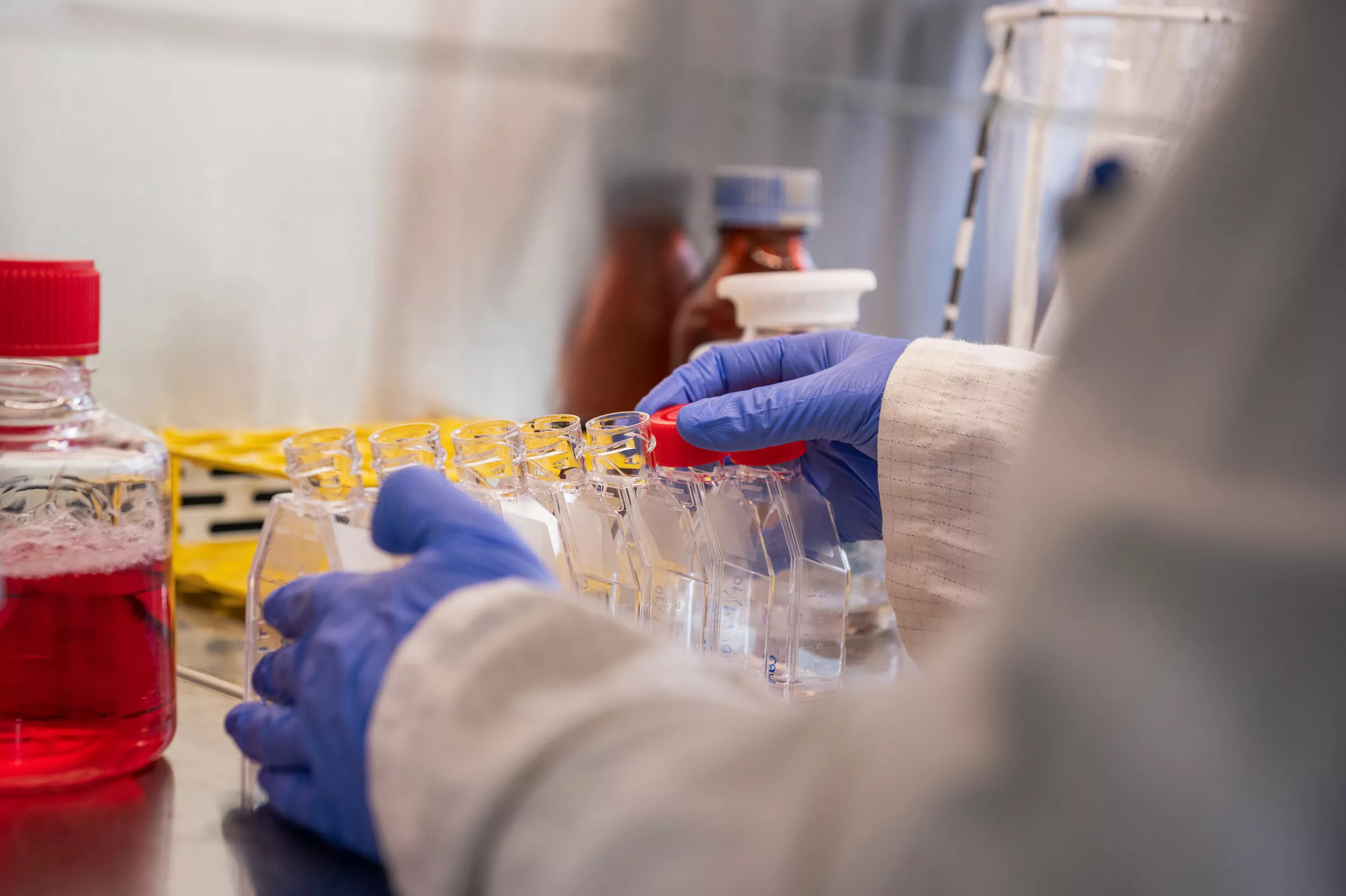
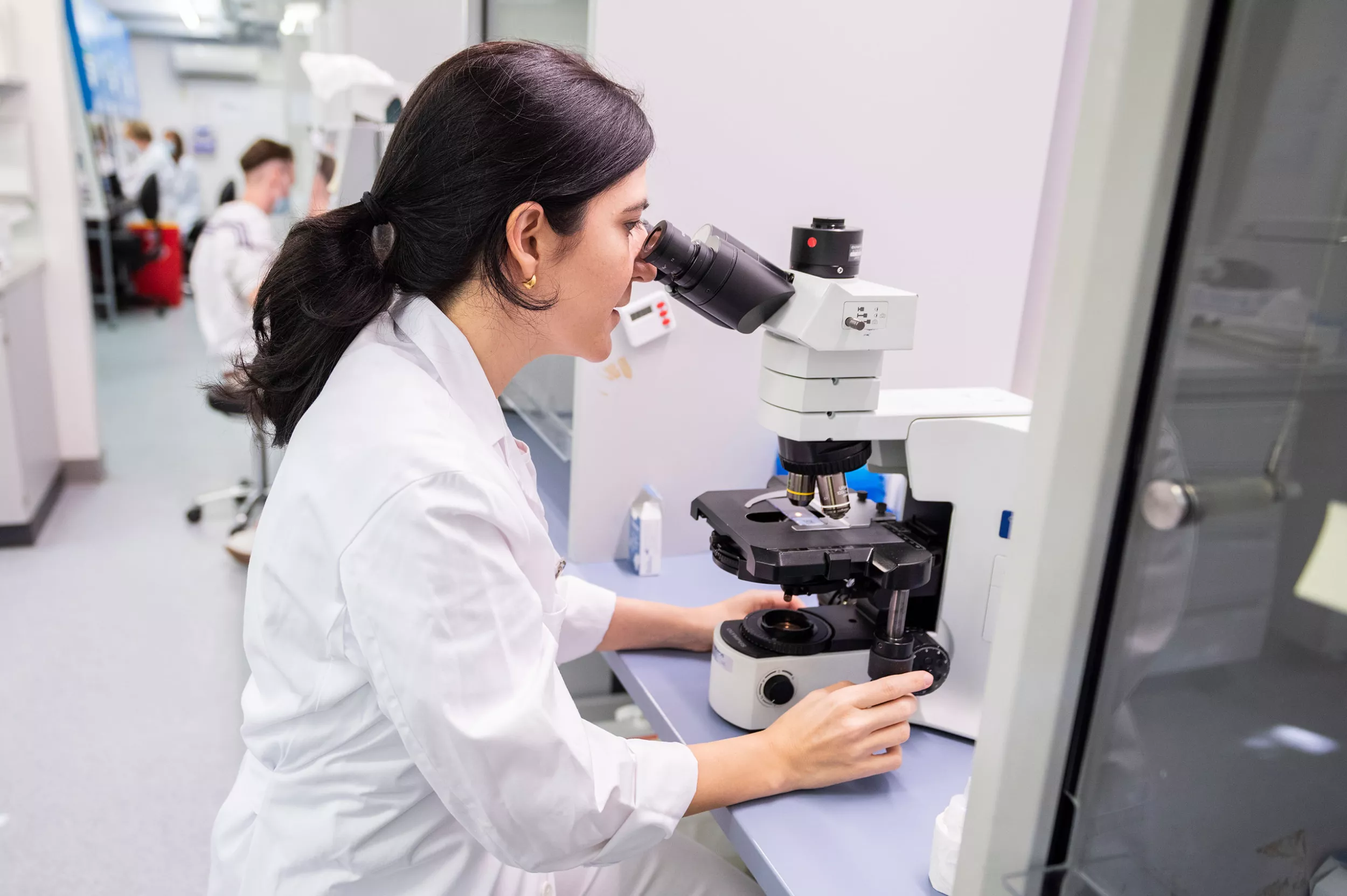
Our group brings together laboratory and clinical research, working closely with international collaborators, to bring new insights into brain tumor pathogenesis and accelerate translation into clinical investigation. Our overarching goal is to optimize therapies, improve survival of pediatric brain tumor patients and increase the quality of life for survivors.
Our main areas of research are:
- Discovery of novel mechanisms of pediatric brain tumor pathogenesis and development of innovative, mechanism-based therapeutic strategies.
- Investigation of causes of drug resistance and treatment failure.
- Longitudinal study of health-related outcomes and long-term impact of current therapies.

NCCR Children & Cancer
The new NCCR Children & Cancer brings together basic research, clinical practice and social science to improve the treatment of children and adolescents with cancer. It is led by the University Children's Hospitals at the Universities of Zurich and Lausanne, and financed by the Swiss National Science Foundation, the University of Zurich and University of Lausanne.